Source kids clothes for wholesale, retail, and custom orders
Explore 30 listings for kids clothes including wool cardigans, cotton sets, and denim styles. Buyers can compare materials, sizes, and customization options from suppliers in China to find suitable wholesale solutions; compare the available evidence and request quotations based on your requirements.
Key considerations
Products List





Comprehensive Sourcing Guide
Kids Clothes Sourcing Guide
Procuring children’s apparel requires a meticulous balance of aesthetic appeal, functional durability, and rigorous safety compliance. Buyers must navigate a complex landscape where material choices directly impact both the end-user experience and regulatory adherence. This guide outlines the critical verification steps necessary to secure reliable supply chains for young consumers, ensuring that every garment meets the highest standards of quality and safety.
The following sections provide a structured approach to evaluating suppliers, interpreting technical specifications, and managing commercial risks. By focusing on evidence-based verification rather than marketing claims, procurement teams can build resilient sourcing strategies that protect brand reputation while meeting the diverse needs of the children’s clothing market.
Product Scope and Observed Listing Signals
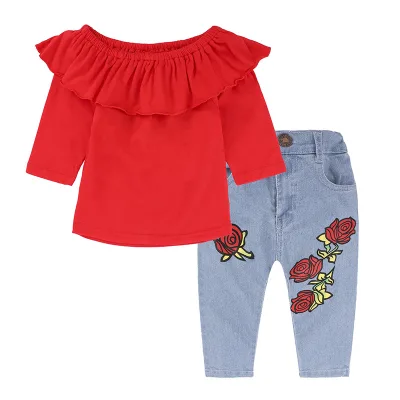
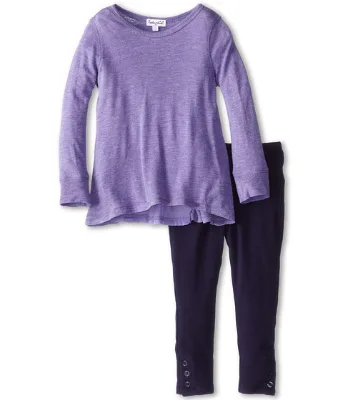
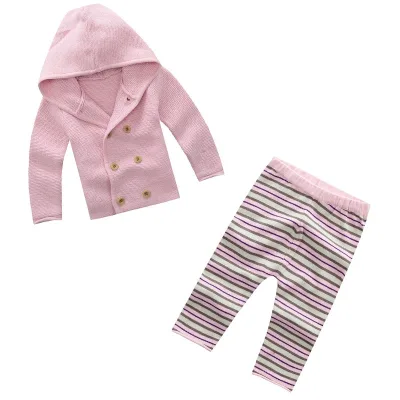
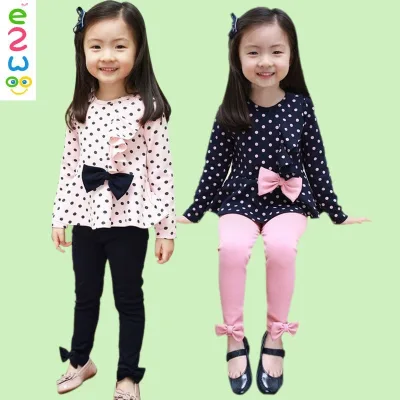
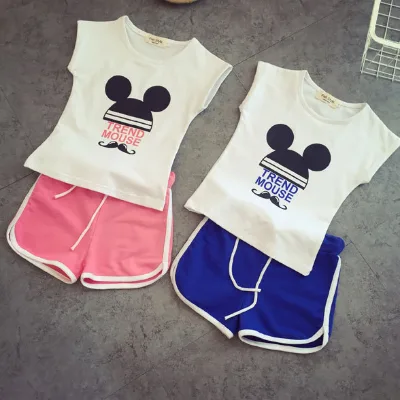
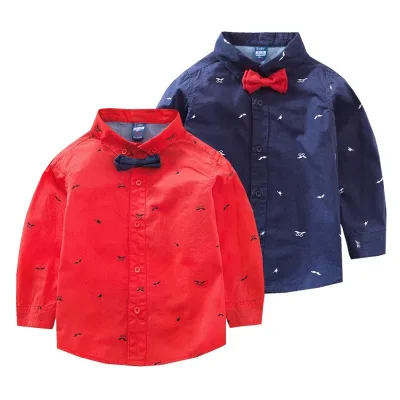
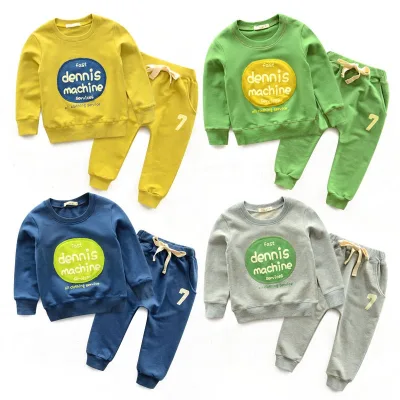
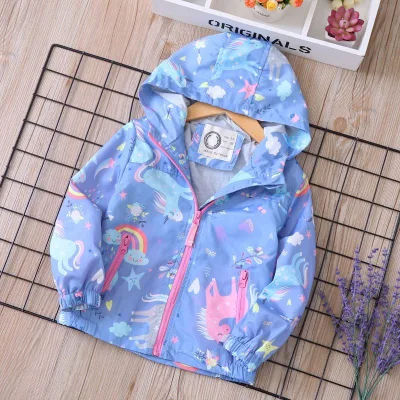
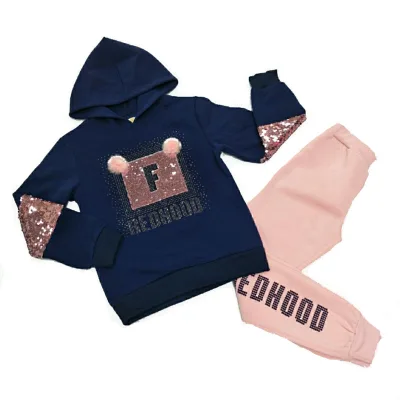
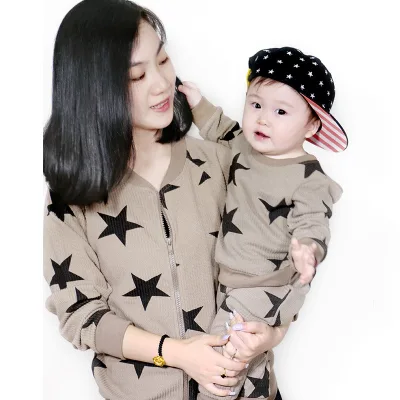
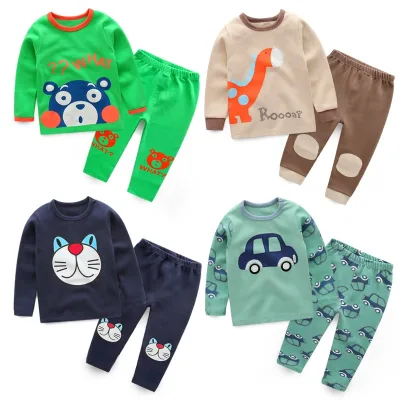
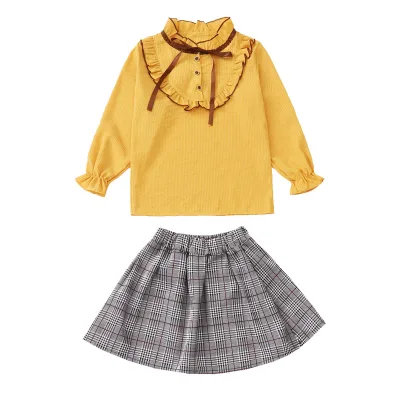
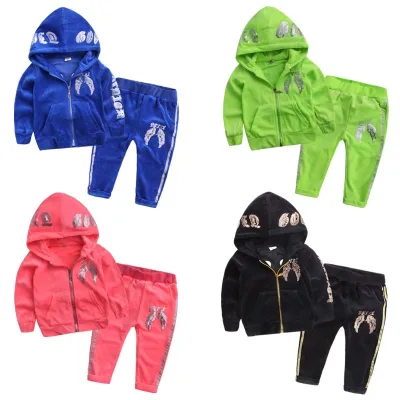
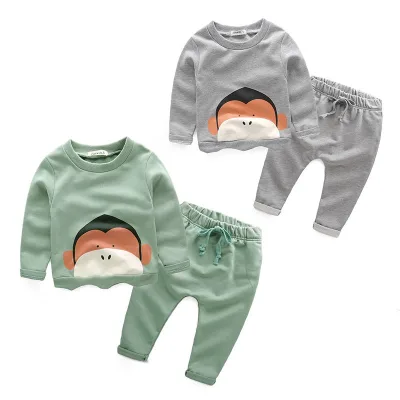
Market listings for kids clothes reveal a diverse range of product types, including cardigans, suits, pajamas, down jackets, and overall sets. These items cater to various age groups, from infants aged 0-9 months to children up to 6 years old, with some offerings labeled as unisex or specific to boys. The observed product models indicate a broad inventory that spans seasonal needs, such as spring and autumn wear, as well as summer-specific items, suggesting that suppliers often maintain in-stock items for immediate fulfillment.
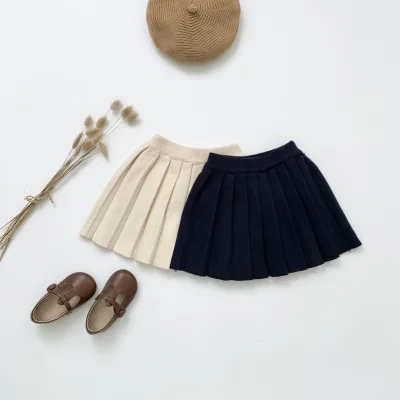
Visual and structural attributes vary significantly across listings, with options featuring notch lapels, V-neck collars, and casual denim styles. Patterns often include logos or custom designs, and materials range from 100% wool and cotton to polyester blends. Buyers should note that while some items are described as one-piece sets, others are sold as individual tops or coordinated sets, requiring careful attention to the specific product type and packaging details to avoid misinterpretation of the order scope.
Technical Specifications to Verify
Material composition is a primary technical factor, with listings citing 100% wool, 100% cotton, and polyester/cotton blends. Buyers must verify the exact fabric type, such as denim or knitted structures, to ensure the material aligns with the intended use and comfort requirements for children. Size specifications also vary, ranging from free sizes to specific numeric ranges like 80-130, which correspond to height measurements for different age groups, necessitating precise size chart validation to minimize return rates.
Packaging and logistical details are equally critical for operational efficiency. Some products are packed individually in polybags, while others use cartons with specific dimensions, such as 30x20x17 cm, and gross weights around 1.8 kg. Buyers should confirm whether the packaging is customized or standard, as this impacts storage space and shipping costs. Additionally, verifying the selling units, such as multiples of six, ensures that inventory planning aligns with supplier batch requirements and minimizes fragmentation in stock management.
Compliance and Safety Documentation
Safety standards for children’s clothing are stringent, focusing on flammability, chemical content, and physical hazards like small parts or choking risks. Buyers must request documentation that confirms compliance with relevant regional regulations, such as OEKO-TEX or GOTS, although the presence of these certifications should be verified through official certificates rather than assumed from product descriptions. Ensuring that fabrics are free from harmful substances is essential for protecting young consumers from skin irritation or long-term health issues.
Physical safety features, such as anti-UV properties or the absence of hazardous holes, should be validated through third-party testing reports. Buyers should also verify that any decorative elements, such as logos or buttons, are securely attached to prevent detachment. It is crucial to establish a clear protocol for reviewing safety data sheets and test results before placing large orders, ensuring that all products meet the legal requirements of the destination market and maintain brand integrity.
Cost Drivers and Commercial Terms
Pricing for kids clothes is influenced by material costs, production complexity, and order volume. Observed price ranges suggest competitive market rates, but buyers should be aware that minimum order quantities (MOQs) can vary significantly, with some listings indicating MOQs as high as 10,000 units. Understanding these thresholds is vital for cash flow management, especially for smaller retailers or those testing new product lines, as high MOQs may require substantial upfront investment.
Customization options, such as OEM services or logo printing, often incur additional costs and may affect lead times. Buyers should clarify whether customization is available for in-stock items or if it requires production runs, as this impacts inventory flexibility. Additionally, packaging details, such as customized cartons or specific bundling methods, can influence per-unit costs. Negotiating clear terms regarding price breaks, payment schedules, and customization fees helps in accurately forecasting total landed costs.
Supplier Qualification and Quality Control
Supplier qualification begins with verifying the origin of production, with many listings indicating China as the place of origin. Buyers should assess the supplier’s manufacturing capabilities, including their ability to handle various materials like wool, cotton, and denim, and their experience in producing diverse product types such as suits, pajamas, and jackets. Checking for consistent quality in previous orders and reviewing supplier audits can provide insights into their reliability and operational stability.
Quality control processes should include pre-production samples, in-line inspections, and final random inspections. Buyers must ensure that suppliers adhere to agreed-upon specifications for material, size, and packaging. Establishing a clear communication channel for addressing defects or discrepancies is essential. Additionally, verifying the supplier’s ability to meet seasonal demands and handle rush orders can help mitigate supply chain disruptions and ensure timely delivery to the market.
Long-Term Procurement Checks
Building a sustainable sourcing strategy requires regular review of supplier performance and product quality. Buyers should monitor key metrics such as defect rates, on-time delivery percentages, and responsiveness to issues. Continuous feedback loops with suppliers can drive improvements in product quality and service levels. Additionally, staying updated on changing regulations and market trends ensures that the product portfolio remains relevant and compliant over time.
Diversifying the supplier base can reduce risk and enhance bargaining power. Buyers should explore opportunities to work with multiple suppliers for different product categories or regions. Regularly auditing suppliers and conducting market research helps identify new trends and potential partners. By maintaining a proactive approach to supplier management and quality assurance, buyers can build a resilient supply chain that supports long-term business growth and customer satisfaction.
FAQs
What materials are used for these kids clothes?
The available kids clothes are crafted from 100% wool, 100% cotton, and polyester cotton blends. These materials ensure comfort and durability for children. Specific items include knitted cardigans and denim sets. Buyers can select fabrics based on seasonal needs, with options suitable for spring, autumn, or summer wear. The variety supports diverse styling preferences for young children.
Can I customize the kids clothes with my logo?
Yes, customization is available for these kids clothes. Buyers can request logo printing or specific design modifications. The supplier supports OEM services to meet unique branding requirements. This flexibility allows businesses to create distinct product lines. Customization options help retailers differentiate their offerings in the competitive children's apparel market while maintaining quality standards.
What is the minimum order quantity for kids clothes?
The minimum order quantity varies by product type. Some items require an MOQ of 10,000 pieces, while others start at 3 units. Buyers should check specific product listings for exact requirements. This range accommodates both large-scale wholesale purchases and smaller trial orders. Understanding MOQs helps buyers plan inventory levels and manage cash flow effectively for their retail operations.
How are the kids clothes packaged for shipping?
Kids clothes are typically packed in cartons or polybags. Each item may be individually wrapped in a polybag for protection. Larger batches are consolidated into bigger bags or customized cartons. Packaging details ensure safe transit and easy storage. This method helps maintain product condition upon arrival, reducing damage risks and ensuring a professional presentation for end consumers in retail environments.
What age groups are these kids clothes designed for?
These kids clothes cater to various age groups, including infants aged 0-9 months and children aged 2-6 years. Some items are labeled as free size or cover specific height ranges. The collection includes unisex options suitable for all children. This broad age coverage allows retailers to stock diverse inventory, meeting the needs of different customer segments and seasonal fashion trends effectively.
Where are these kids clothes manufactured?
These kids clothes are manufactured in China. The origin is clearly stated for transparency. Buyers can rely on established manufacturing hubs for quality production. The location supports efficient logistics and supply chain management. Understanding the origin helps buyers assess shipping times and potential tariffs, ensuring informed sourcing decisions for their international trade operations and inventory planning.